

Many business owners see their fleet as a burden. Vehicles drain budgets. Drivers burn fuel. Cars always seem to fail at the worst possible moment. However fleet management features, the key distinction is this — a poorly managed fleet doesn't bleed money quietly. It sounds like it is bleeding loudly, non-stop and often all at once.
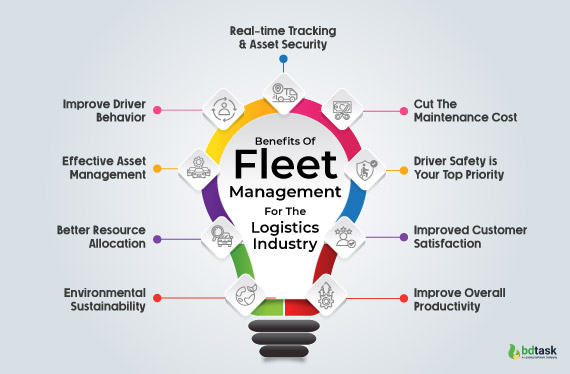
Any operation that involves movement of goods, people or services is supported by fleet management. Get it right, and your cars become a smoothly running cash generator. Make a mistake and you have an endless game of Whac-A-Mole with money.
And where most of the companies fail then?
They run on guesswork. Without any real-time GPS data. No servicing schedules. No visibility into fuel spend. Just gut feelings and wishful thinking. One breakdown call from a driver and your whole operation grinds to a halt. That's not misfortune — that's poor planning dressed up as bad luck.
Affordable real-time GPS tracking changed fleet management forever. You have full visibility of your entire fleet at all times. Unexpected route changes are detected. Unplanned stops are monitored. Idle time — which is essentially burning money — is measured and reduced. Businesses using GPS tracking consistently report fuel savings of 10 to 15 percent. That's not a rounding error. That's real, significant money.
The other area that businesses leave masses of money on the table is preventive maintenance. Reactive maintenance — repairing when something fails — is three to five times more expensive than planned servicing. A standard oil change runs about $60. Engine rebuilds can cost $6,000 or more. The mathematics does itself.
Good fleet management software automatically notifies you when a vehicle hits a set mileage or when a sensor picks up an anomaly. You don't need a mechanic with a sixth sense. The software automatically does it.
It gets personal here, and uncomfortable — driver behavior.
No one enjoys the prospect of employee surveillance. But the statistics do not tell. Sudden braking, aggressive acceleration, and habitual speeding increase accidents and crush fuel performance. Hard braking 40 times daily doesn't just wear out components; that driver is also a serious liability on the road.
A logistics company monitored the behavior of drivers over a period of 90 days in a fleet of 50 vehicles. The results revealed that three drivers alone accounted for 60 percent of the entire fuel overage. Three individuals. Out of fifty. A coaching of the three saved the company $18,000 of fuel each year. No firings, no tension — just facts and a coaching session.