

For adults, learning a second language is like learning how to assemble furniture without the instructions. It is possible, yet often frustrating myspanishvillage . Children, however, absorb language like a sponge without effort.
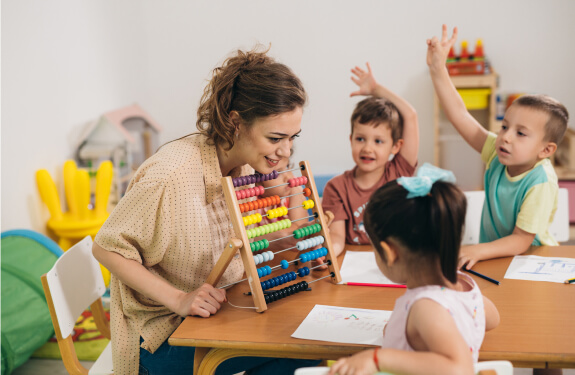
This is exactly why the Spanish immersion program among preschool and kindergarten children in Walnut Creek to assume a terrific tide of momentum among local families.
And this is where most parents remain in the dark until it is often too late: the golden age for language acquisition is between 2-7 years old. The brain develops in a unique way during this period. Language patterns are naturally internalized, without the self-consciousness adults experience.
Walnut Creek is uniquely positioned in a cultural corridor. Because Spanish is widely spoken across California, raising bilingual children is not just educational, but socially and economically beneficial.
These programs are much more than simple vocabulary lessons. Top programs embed language into everyday activities. Activities like snack time, storytelling, playtime, and singing all reinforce learning. Children even sing songs in the car without realizing they’re conjugating verbs.
By kindergarten, children advance quickly. With one to two years of immersion, kids no longer mentally translate. They process thoughts in Spanish—another way of thinking.
Many parents wonder: “Could this confuse my kid?” Simply put: no. Decades of research show that bilingual children gain enhanced mental flexibility, are more effective thinkers, and become more advanced readers overall.
One Walnut Creek mother shared: “By Thanksgiving, my child was correcting me. I was both proud and humbled.”
Beyond academics, there are social advantages. Children in immersion programs develop a natural curiosity about culture. They explore why cultures differ. This curiosity becomes a lifelong investment.
There are several types of programs available. Certain schools use complete Spanish immersion. Some balance English and Spanish equally, which works well for families who don’t speak Spanish fluently. No method is universally best—it depends on your child’s personality and your goals.
Cost is an important consideration. Quality bilingual programs in the Bay Area can be costly. However, many families see it as a long-term investment. College language requirements? Already covered. Job opportunities where Spanish is valued? Definitely.