

The majority of business owners see their fleet as a headache. Vehicles drain budgets. Drivers eat through fuel. Cars always seem to fail at the worst possible moment. However, this is where the difference lies — a poorly managed fleet doesn't fail without signs. It sounds like it is bleeding obviously, constantly and often simultaneously more help.
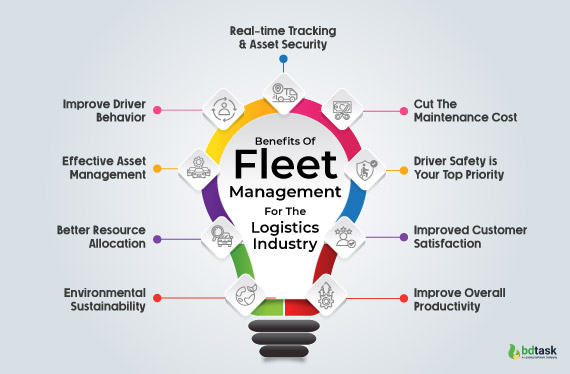
Fleet management underpins any operation that moves goods, people, or services. Do it correctly, and your fleet turns into a revenue-generating asset. Make a mistake and you have an endless game of Whac-A-Mole with money.
But where do most companies drop the ball?
They manage without data. No real-time tracking. No servicing schedules. No visibility into fuel spend. Nothing but hope and assumptions. One driver calls in with a broken-down truck on the highway and the whole day falls apart. That isn't bad luck; it's a lack of planning masquerading as bad luck.
Once real-time GPS tracking became accessible, everything changed. Every vehicle's location is visible at any moment. Off-route trips are flagged immediately. Unplanned stops are monitored. Downtime, which is just wasted expense, gets measured and cut. Fuel savings ranging between 10 and 15 percent have been regularly reported in companies that use tracking. That's not a rounding error. That's someone's annual wage.
Preventive maintenance is another massive opportunity businesses consistently miss. Reactive maintenance — repairing when something fails — is three to five times more expensive than planned servicing. An oil change costs $60. Rebuilding an engine is charged at $6,000. The mathematics does itself.
The advanced fleet management software issues automatic alerts when a vehicle exceeds a specific mile limit or an anomaly is detected by sensors. No mechanic intuition required. It's all handled by the platform.
Now it gets personal — and a little uncomfortable — driver behavior.
Monitoring employees is never a popular idea. But the data doesn't lie. Harsh braking, aggressive acceleration, and frequent speeding all increase accident risk and destroy fuel efficiency. Hard braking 40 times daily doesn't just wear out components; that driver is also a serious liability on the road.
A logistics company monitored the behavior of drivers over a period of 90 days in a fleet of 50 vehicles. Upon the trial, they established three drivers culpable of 60 percent of all the fuel overage. Three individuals. Out of fifty. A coaching of the three saved the company $18,000 of fuel each year. No lay-offs, no drama, just information and a discussion.